Latest Products
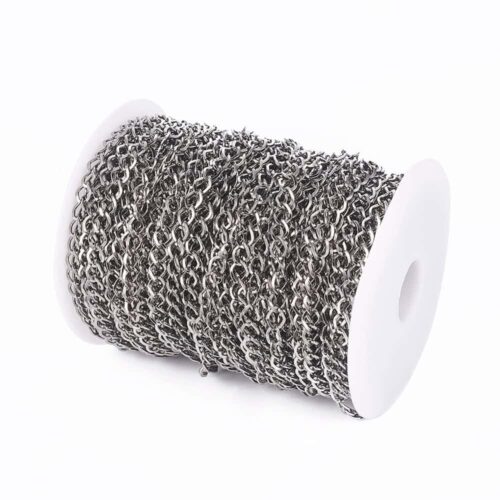
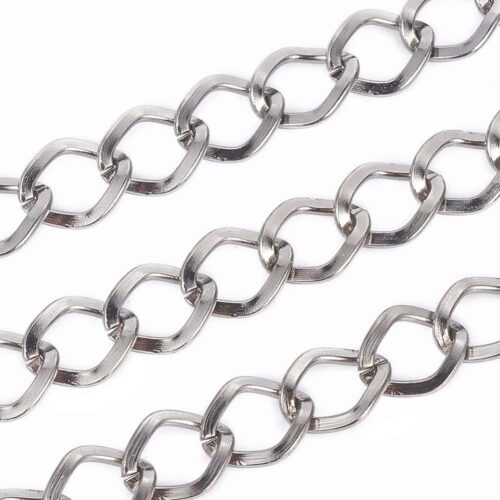
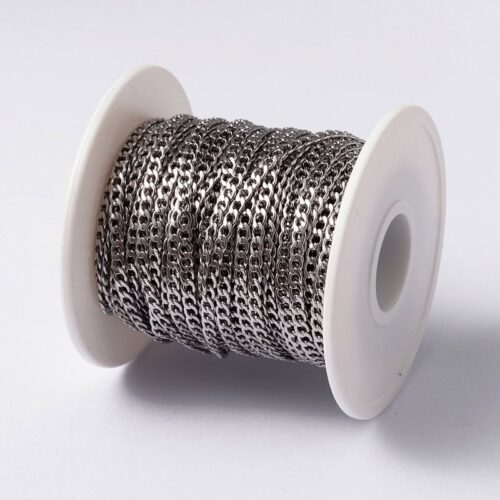
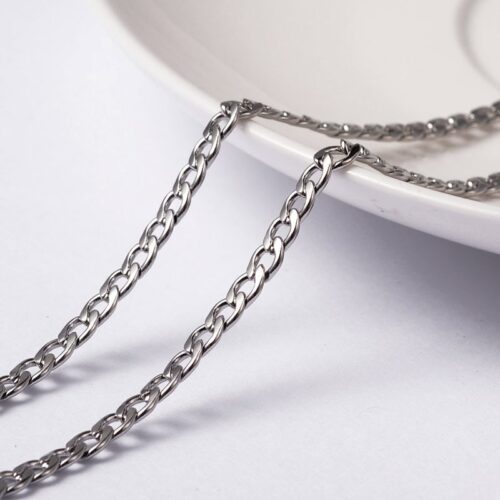
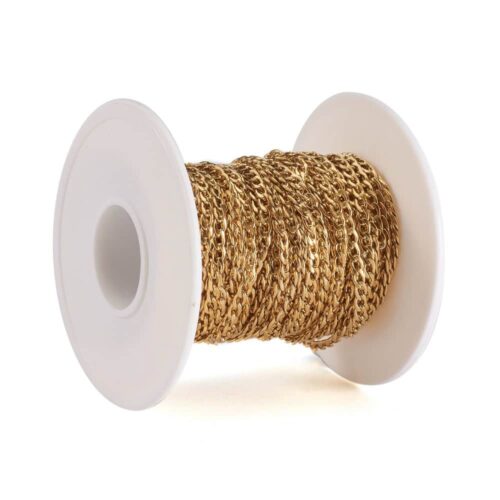
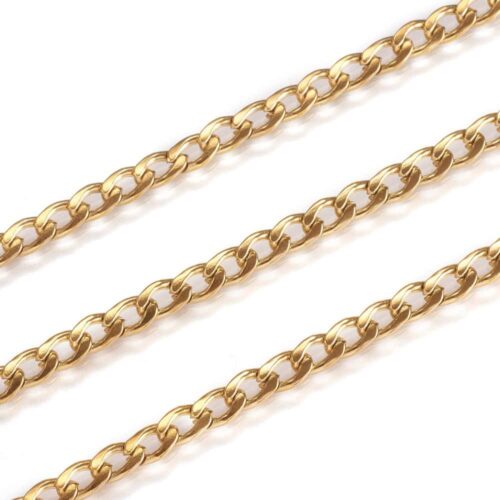
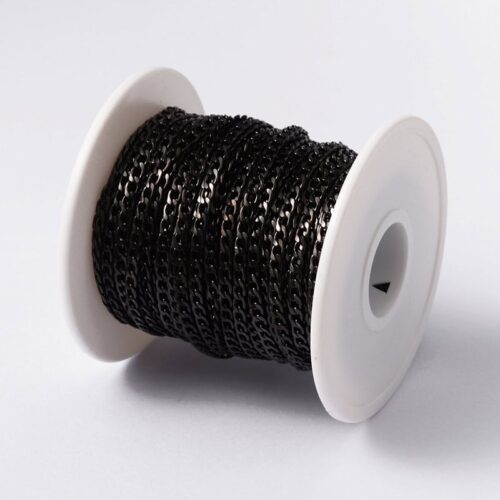
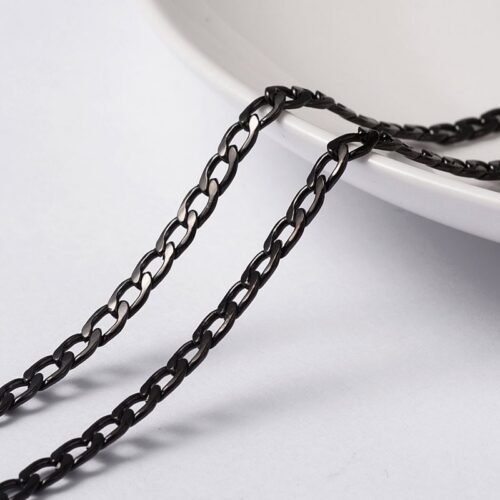
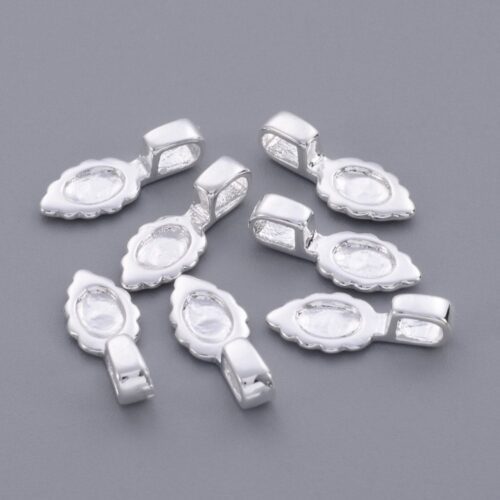
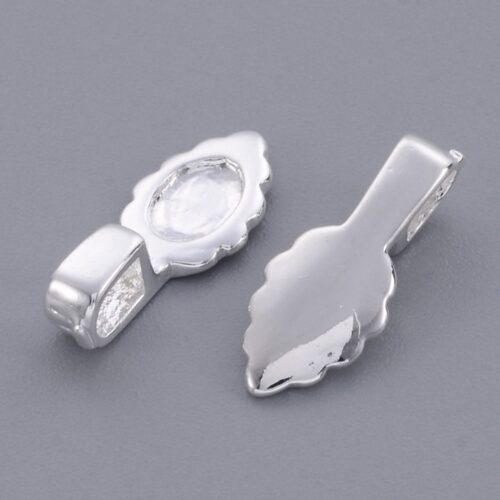
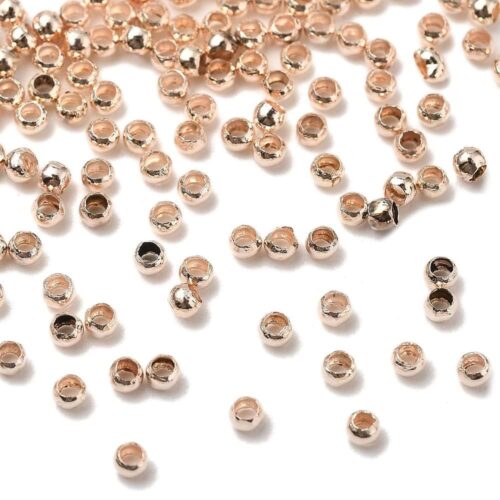
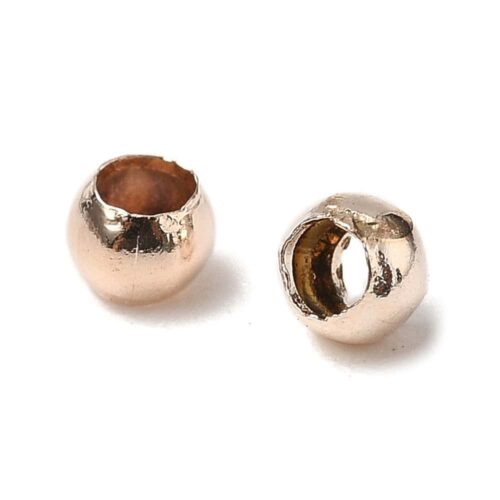
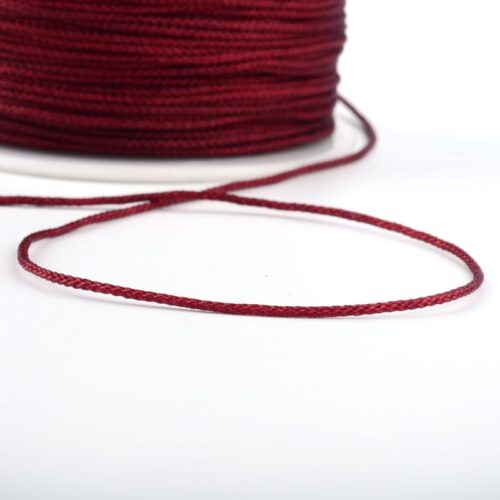
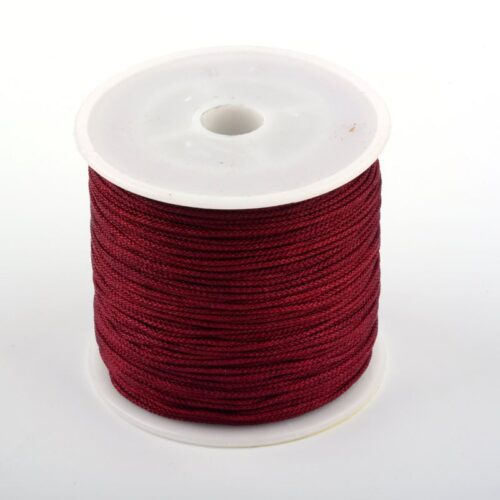
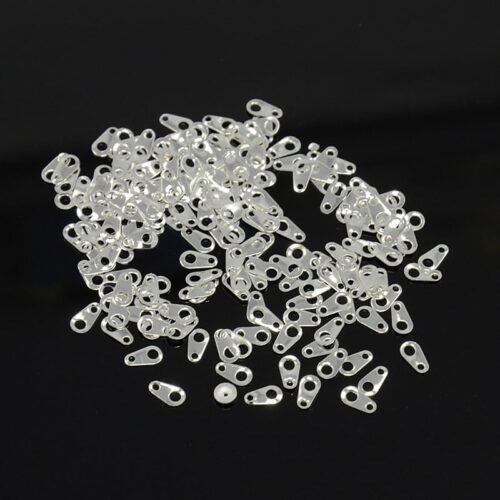
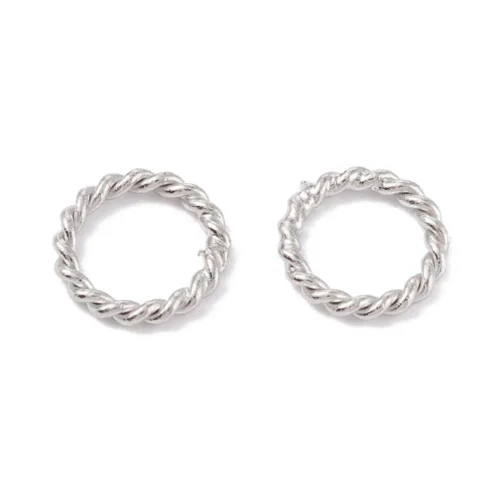
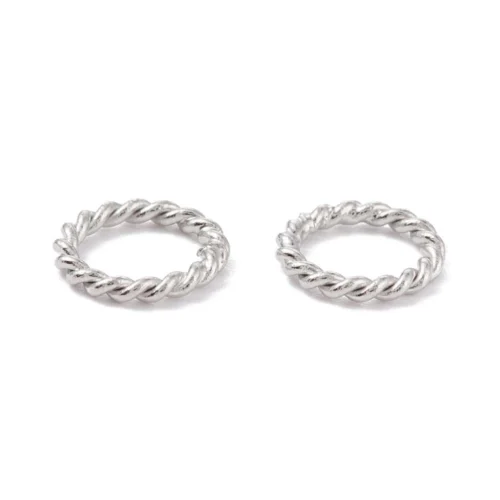
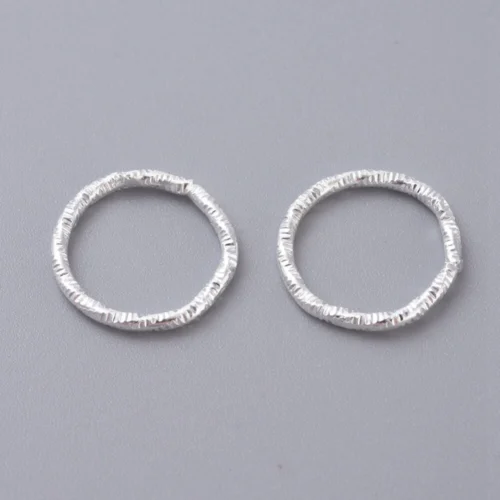
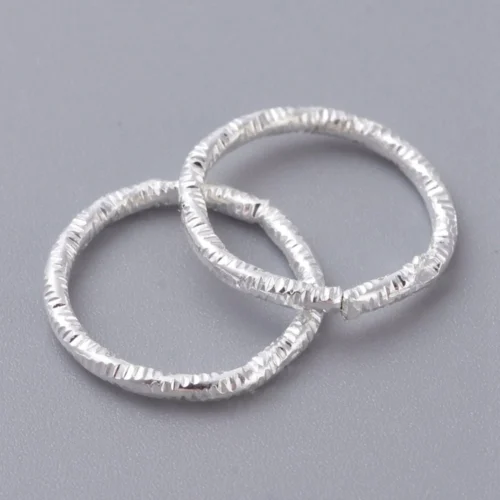
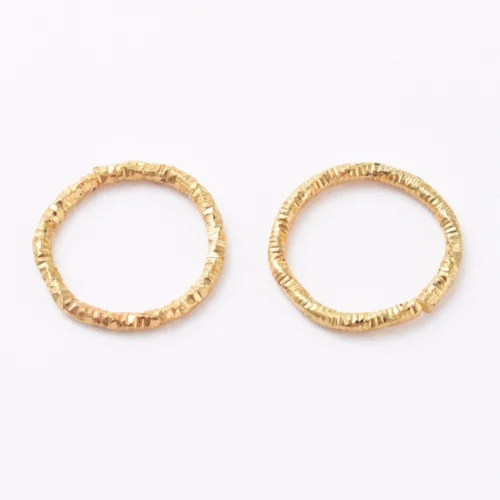
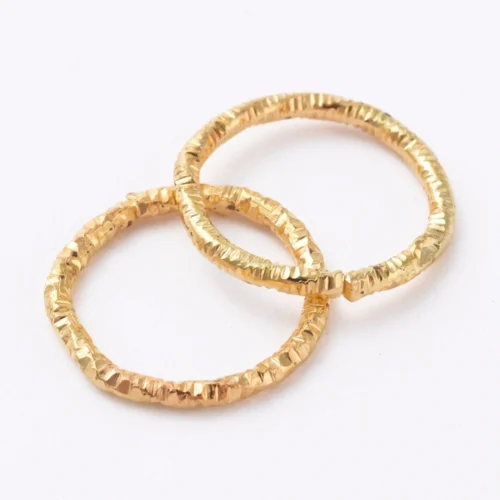
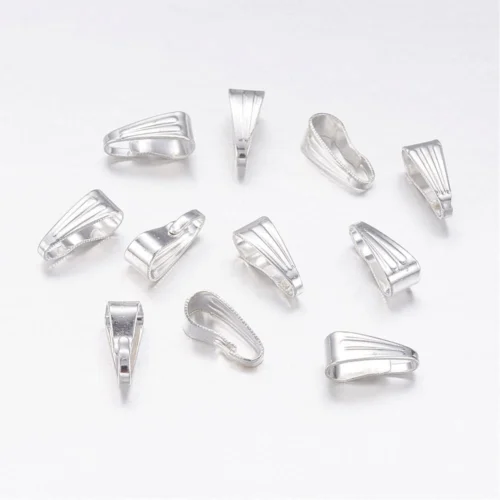
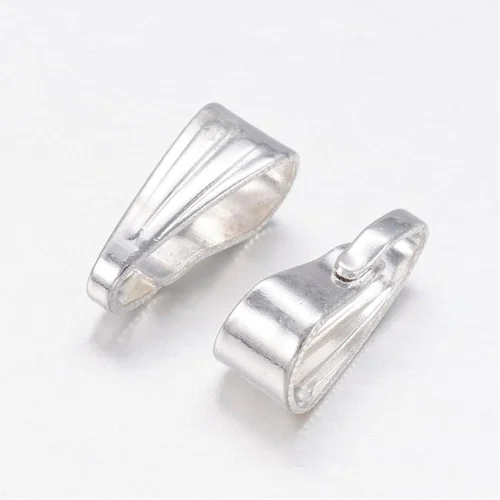
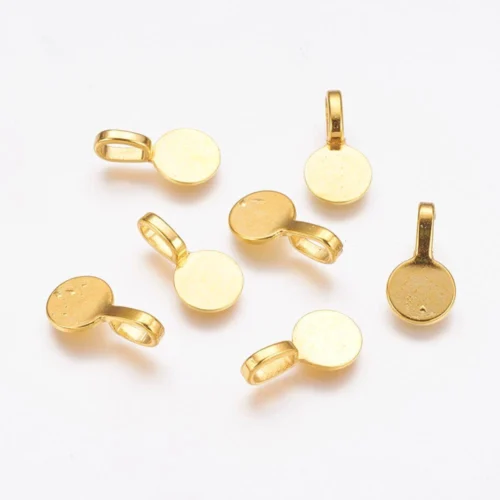
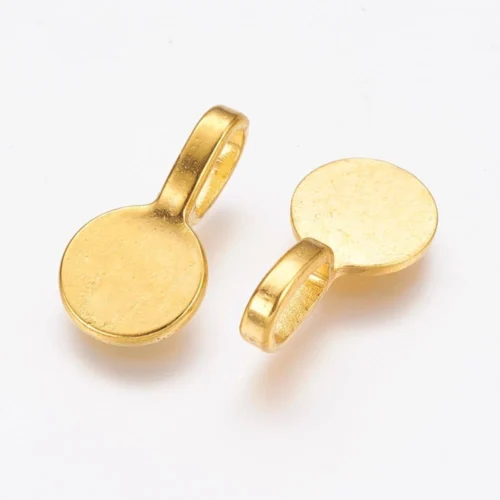
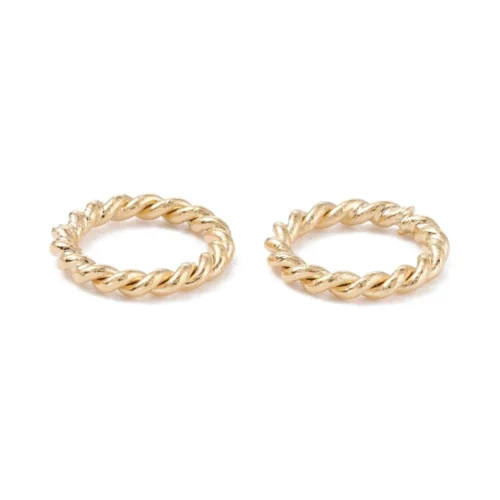
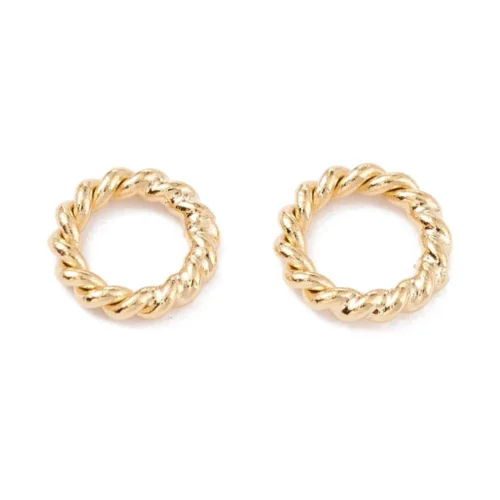
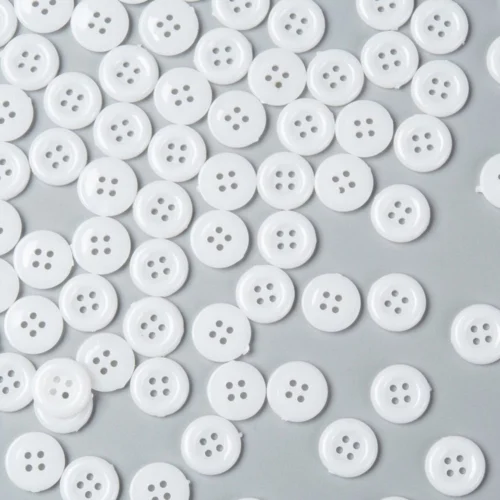
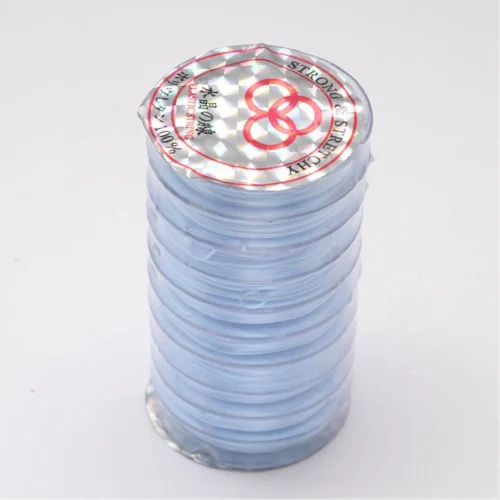
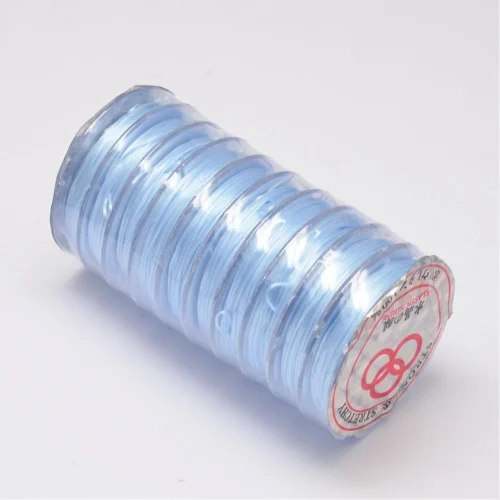
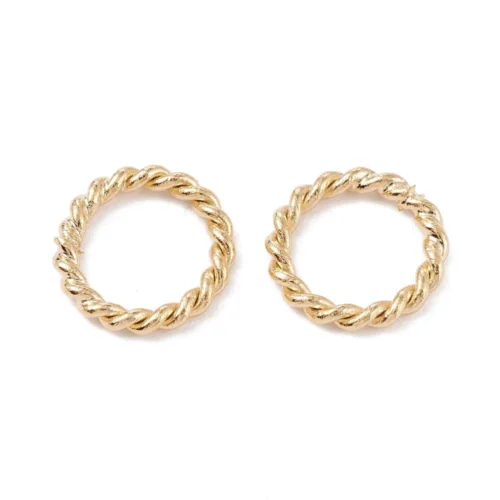
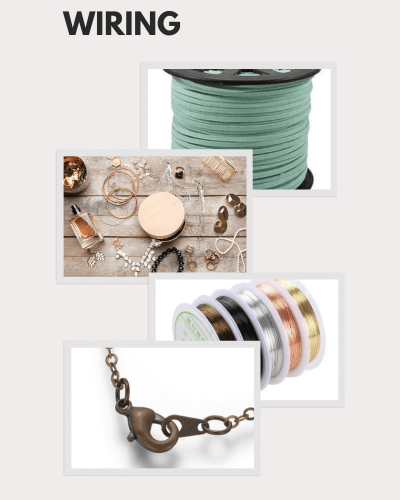
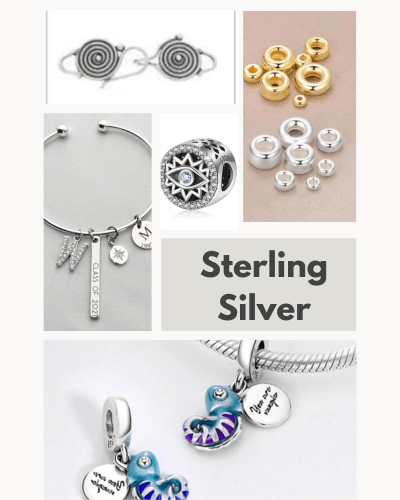
If you love making jewellery, you already know how important it is to have the right supplies on hand. At Australia Beads, we stock everything you need — from sterling silver earring hooks and lobster clasps to crimp beads, jump rings, beading wire, tiger tail wire, and metal chains in gold, silver, copper, rose gold and antique bronze. Whether you’re making a pair of earrings for a friend or restocking your craft room for a big project, our jewellery making supplies are all in one easy place. We’ve been helping Australian makers since 1998, and we know what quality looks like.
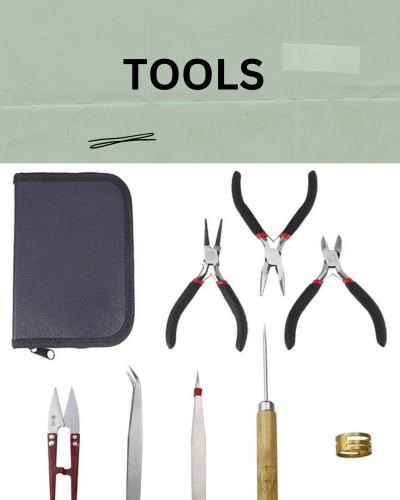
Our range of jewellery making accessories covers every style and skill level. Beginners love our starter kits and pre-cut elastic cord for simple bracelet making, while experienced jewellers trust our sterling silver findings and stainless steel components for their finished pieces. You’ll find nylon thread, waxed cotton cord, flat nose pliers, crimping pliers, bead storage containers and beading needles — the full kit. Every product ships from Melbourne, and orders over $100 get free delivery anywhere in Australia. Come back often because we add new stock regularly.
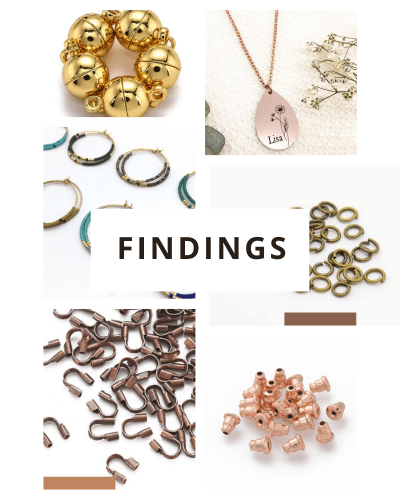
Jewellery findings are the essential hardware that holds every piece together — the clasps, jump rings, ear wires, head pins, eye pins, crimp beads, and connectors that transform loose beads into finished, wearable jewellery. At Australia Beads, we stock a comprehensive range of findings in sterling silver, gold-filled, brass, and base metal finishes, giving you the right component for every project and every budget. Whether you’re finishing a simple strung necklace or constructing a complex multi-strand bracelet, quality findings make all the difference to the durability and professional appearance of your work.
Choosing the right finding is just as important as choosing the right bead. A well-matched clasp completes a design beautifully while ensuring it’s secure and easy to wear, and the right ear wire can elevate a simple beaded drop into an elegant piece. With over 25 years of experience supplying Australian jewellery makers, we stock the findings that makers actually reach for — reliable, well-finished, and available in the quantities you need, from small packs for occasional makers to bulk quantities for production jewellers and small businesses.
FAQ Section:
Q: What is the difference between a head pin and an eye pin? A: A head pin has a flat or decorative stopper at one end to hold beads in place — it’s used to make simple bead drops and dangles. An eye pin has a small loop at one end, allowing you to connect multiple beaded links together in a chain. Both are finished by creating a wrapped or simple loop at the open end.
Q: What findings do I need to make a basic beaded necklace? A: For a simple strung necklace you’ll need a clasp (lobster claw or toggle), two crimp beads or crimp tubes, two crimp covers (optional but give a neat finish), and two jump rings to connect the clasp. If you’re using beading wire, you’ll also need a bead stopper or tape to hold beads while you work.
Q: What metal finish should I choose for my findings? A: This depends on your bead palette and the look you’re going for. Silver-tone findings suit cool colours like blues, purples, and whites. Gold-tone findings complement warm colours like reds, oranges, and earthy tones. Sterling silver and gold-filled findings are the best choice for pieces where skin contact is a concern, as base metal can cause reactions in sensitive skin.
Q: How do I choose the right clasp for my jewellery? A: Consider both function and aesthetics. Lobster claw clasps are secure and easy to operate one-handed, making them practical for bracelets and necklaces. Toggle clasps are decorative and work well for heavier necklaces. Magnetic clasps are easy to use but best suited to lighter pieces as they can open under the weight of heavy beads.
Q: What size jump ring should I use? A: Jump ring size depends on the wire gauge and the findings you’re connecting. As a general guide, 5–6mm jump rings suit most standard clasps and connectors. Use a heavier gauge (20–18 gauge) for connecting clasps where there will be tension, and a finer gauge (22–24 gauge) for delicate earring components.